ABOUT CELIA BIRTWELL
A Life in Pattern, Fashion & Art
The story of a distinctive British designer—from Northern art-school roots and the defining fashion years with Ossie Clark to portraiture, interiors and an enduring creative legacy.
About Celia Birtwell
A distinctive voice in British textile design
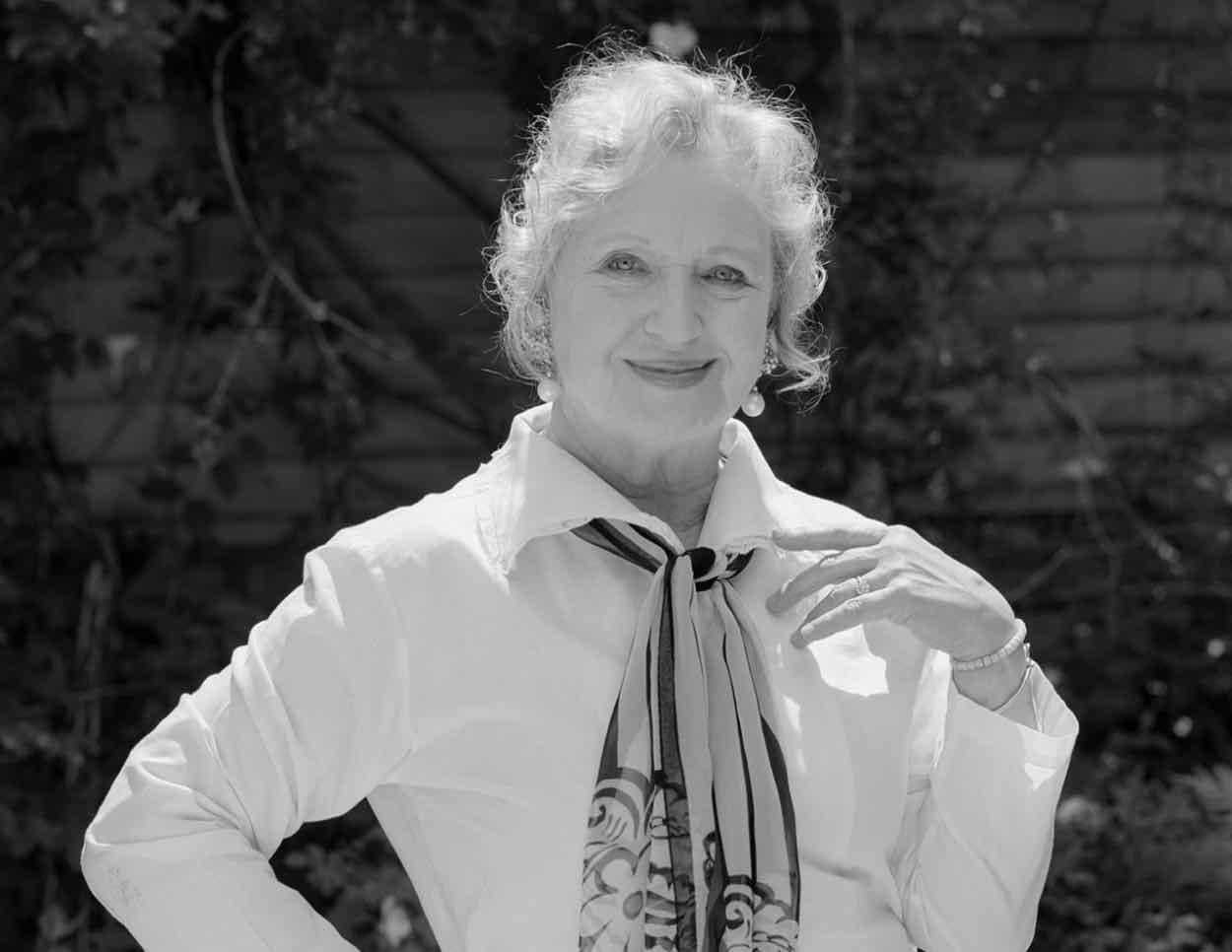
Celia Birtwell is a British textile and fashion designer known for romantic, witty, and expressive print design. Her work moves between fashion, interiors, drawing and domestic life, with a visual language shaped by art, gardens, pattern, colour, and a sharp eye for character.
The archive presents her work as both a design catalogue and a cultural story: the prints, collaborations, portraits, homes, shops, and friendships that formed a long career across fashion and interiors.
EARLY DAYS
Northern roots and an artistic education
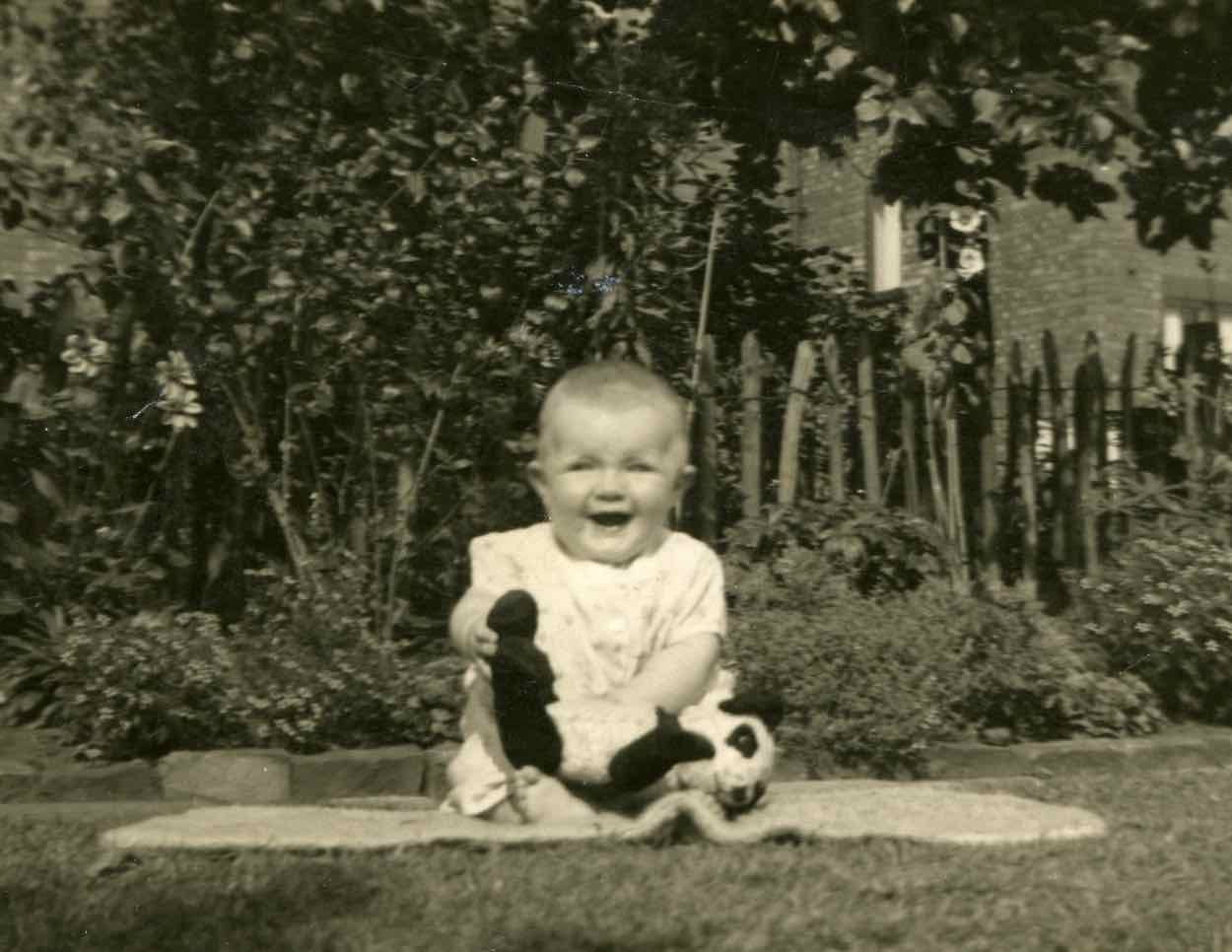
Born in Bury and raised in Prestwich near Manchester, Celia grew up surrounded by books, art, gardens and making. Her father loved literature, French impressionism and nature, while her mother, a former seamstress, could look at the fashionable clothes Celia admired and produce her own version for her. At thirteen, Celia entered Salford Art School, where she studied a general art Foundation course. The school encouraged experimentation and introduced her to the romantic British art, modern textiles and natural forms that would continue to shape her work.
EARLY LONDON LIFE
From Salford to bohemian London
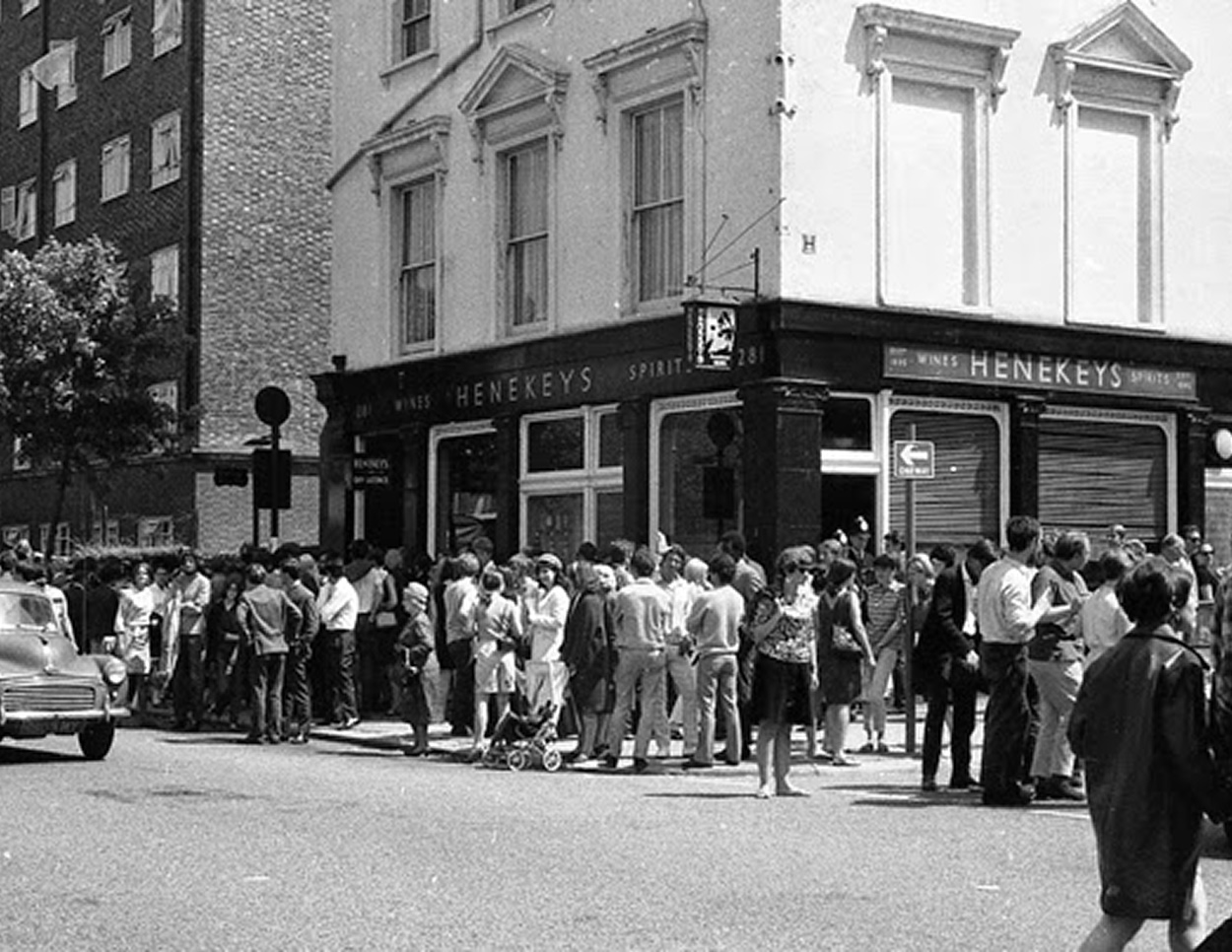
Celia met the young Ossie Clark in Manchester in 1959. Two years later, she moved permanently to London, settling around Notting Hill and Ladbroke Grove. The area was still inexpensive and ungentrified, attracting artists, students and eccentrics.
Celia lived among figures connected to the Royal College of Art and the emerging British Pop Art scene. Pauline Boty painted her in Celia and Her Heroes in 1963, capturing her place within London’s new bohemian culture before she had established her own design career.
CELIA & OSSIE
A partnership of print and movement
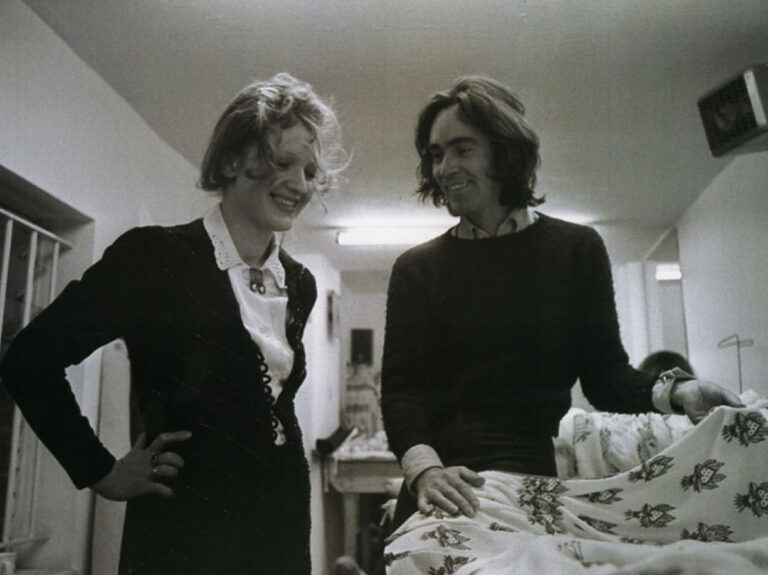
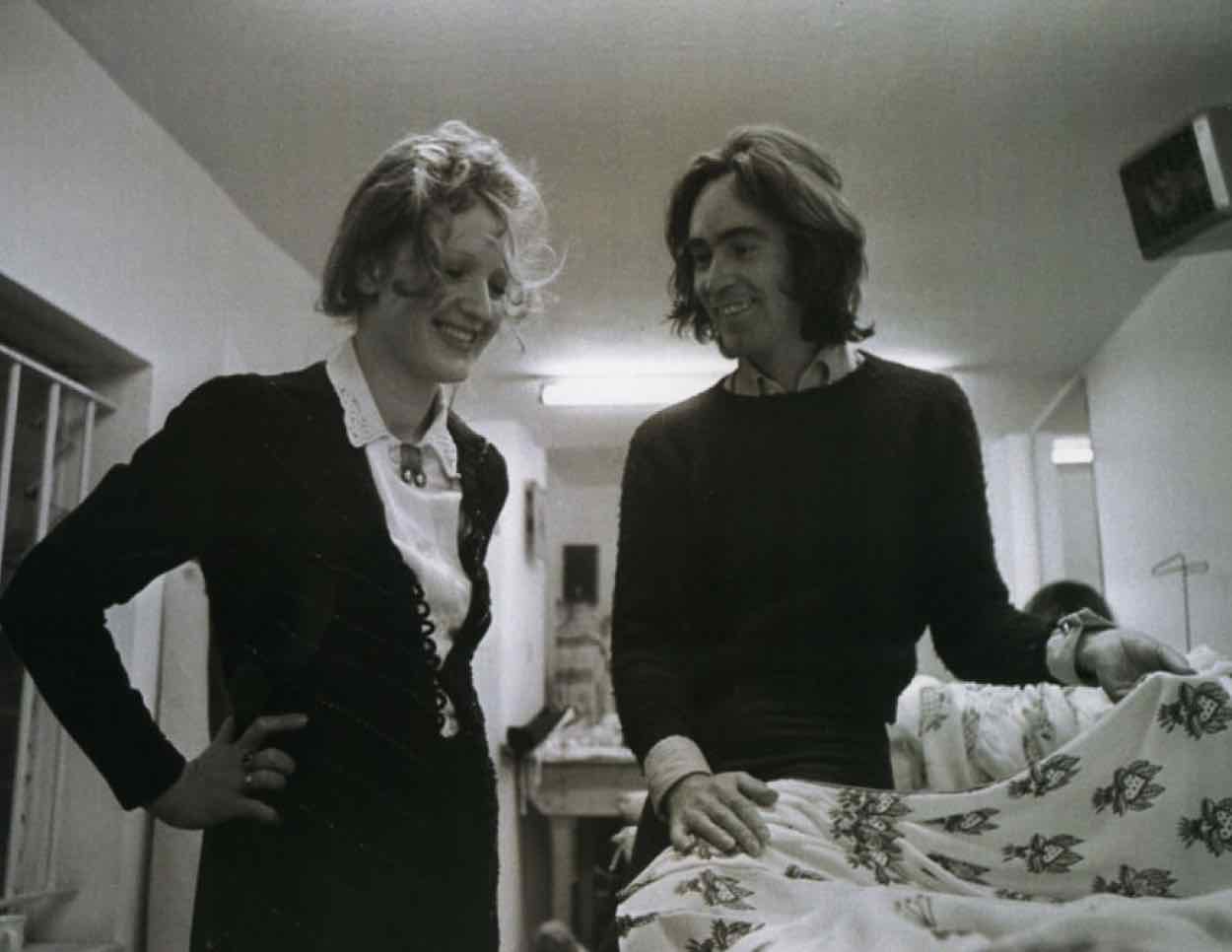
When Ossie moved to London to study at the Royal College of Art, his personal and creative relationship with Celia deepened. Their collaboration brought together complimentary talents: Celia designed the textiles and selected the colours, while Ossie understood how her prints could be cut, shaped and animated around the body. Celia anticipated how patterns would meet across a sleeve, bodice or skirt, and how a design would change in motion. Together, they created clothes that were romantic and sensual, but also informal, technically sophisticated and rebellious.
A LIFE IN FASHION
Prints that defined an era
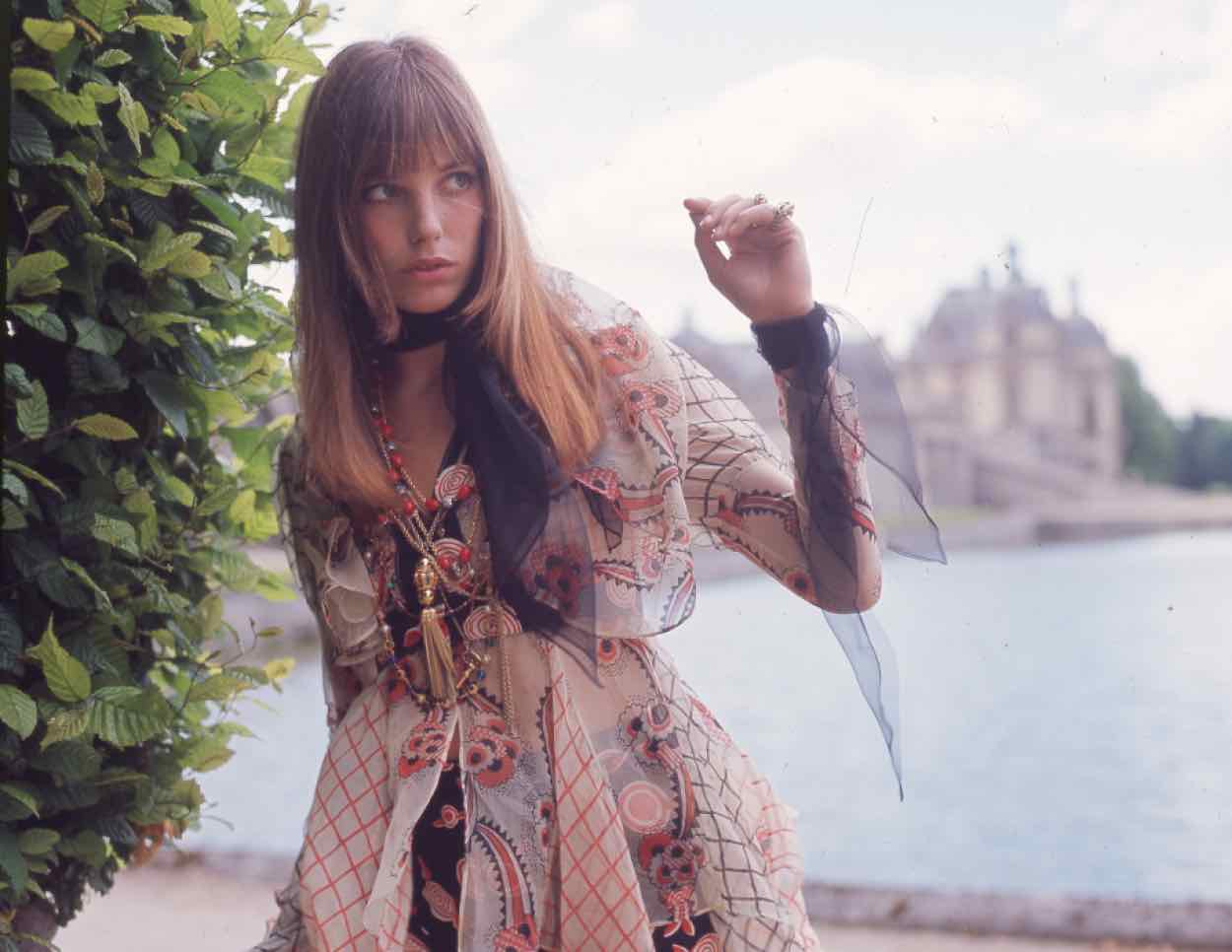
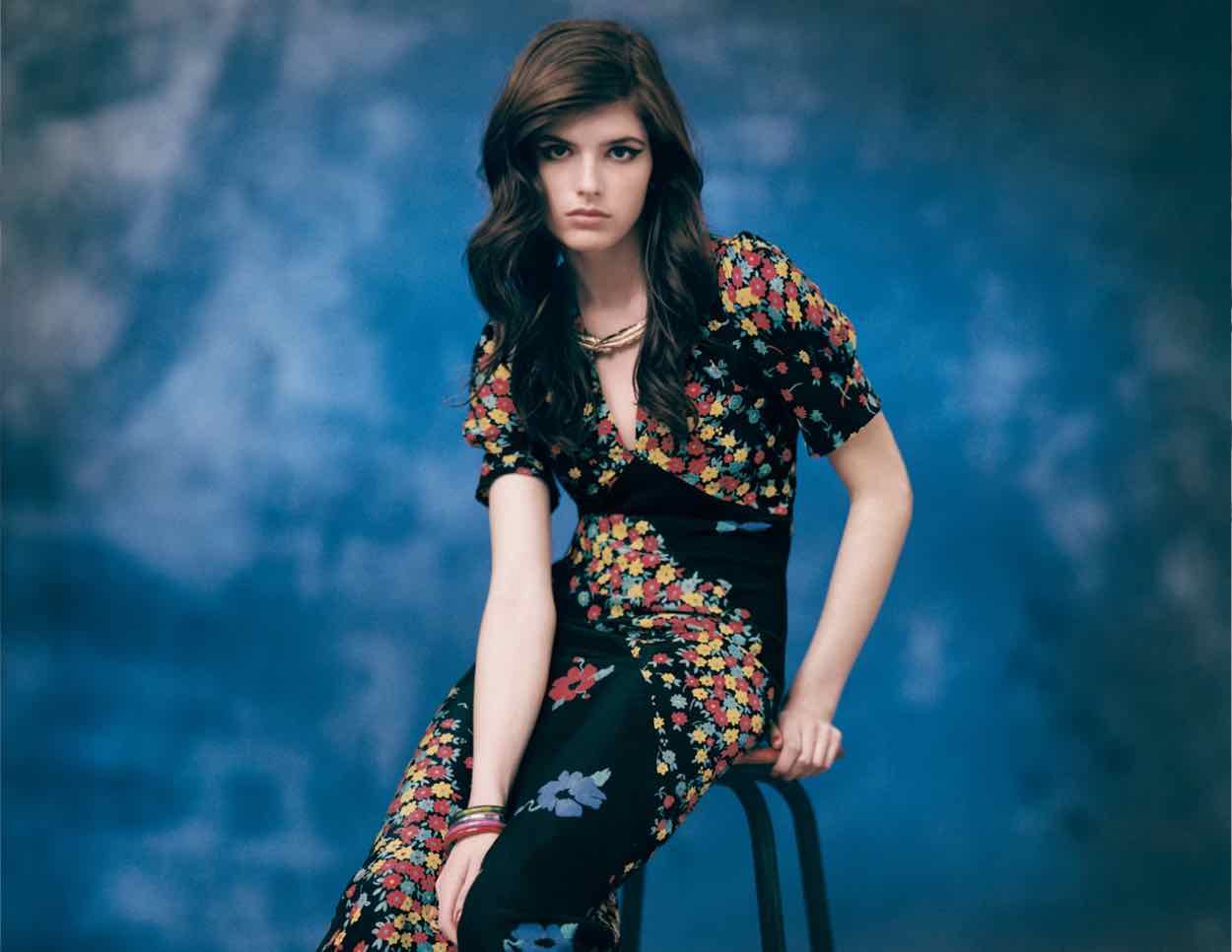
Their work became closely associated with Quorum, the influential King’s Road boutique founded by Alice Pollock. Its clients included artists, musicians and performers such as Jimi Hendrix, Jane Birkin, George Harrison and Pattie Boyd, Talitha Getty, Mick and Bianca Jagger and George Melly. Prints including Mystic Daisy, Monkey Puzzle, Candy Flower and Michaelmas Daisy became central to the partnership. At their celebrated London shows, contemporary pop music chosen by Ossie, had models dancing whilst wearing chiffon, crepe and satin dresses, allowing Celia’s patterns and Ossie’s fluid cutting to be experienced in motion.
THE END OF AN ERA
An archive rediscovered
Celia and Ossie separated in 1973 and divorced the following year. Celia then taught and raised her sons for a number of years, before gradually continuing her design career.
Her archive retained its appeal. In 2006, a sell-out Topshop collection revived prints including Mystic Daisy in fabrics including silk georgette and cotton. The collaboration introduced her work to a new generation and demonstrated that designs first created decades earlier could still feel vivid, flattering and contemporary.
HOCKNEY’S MUSE
A lifelong friendship in portraits
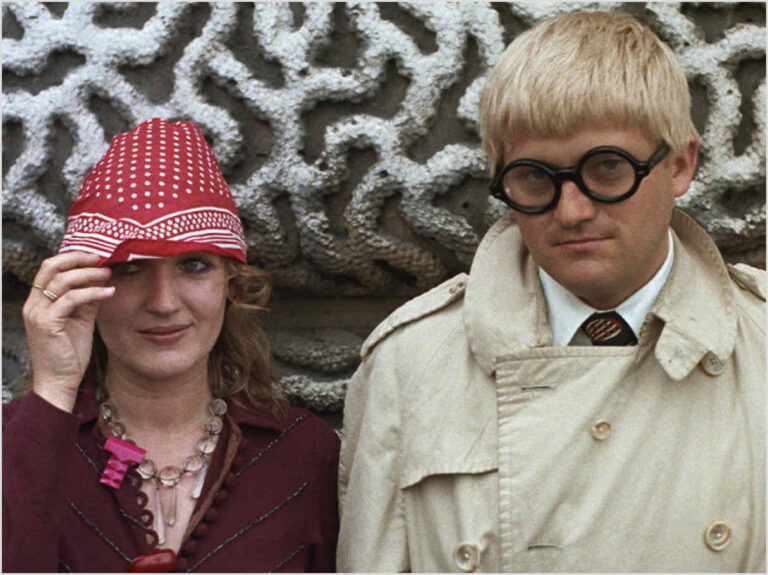
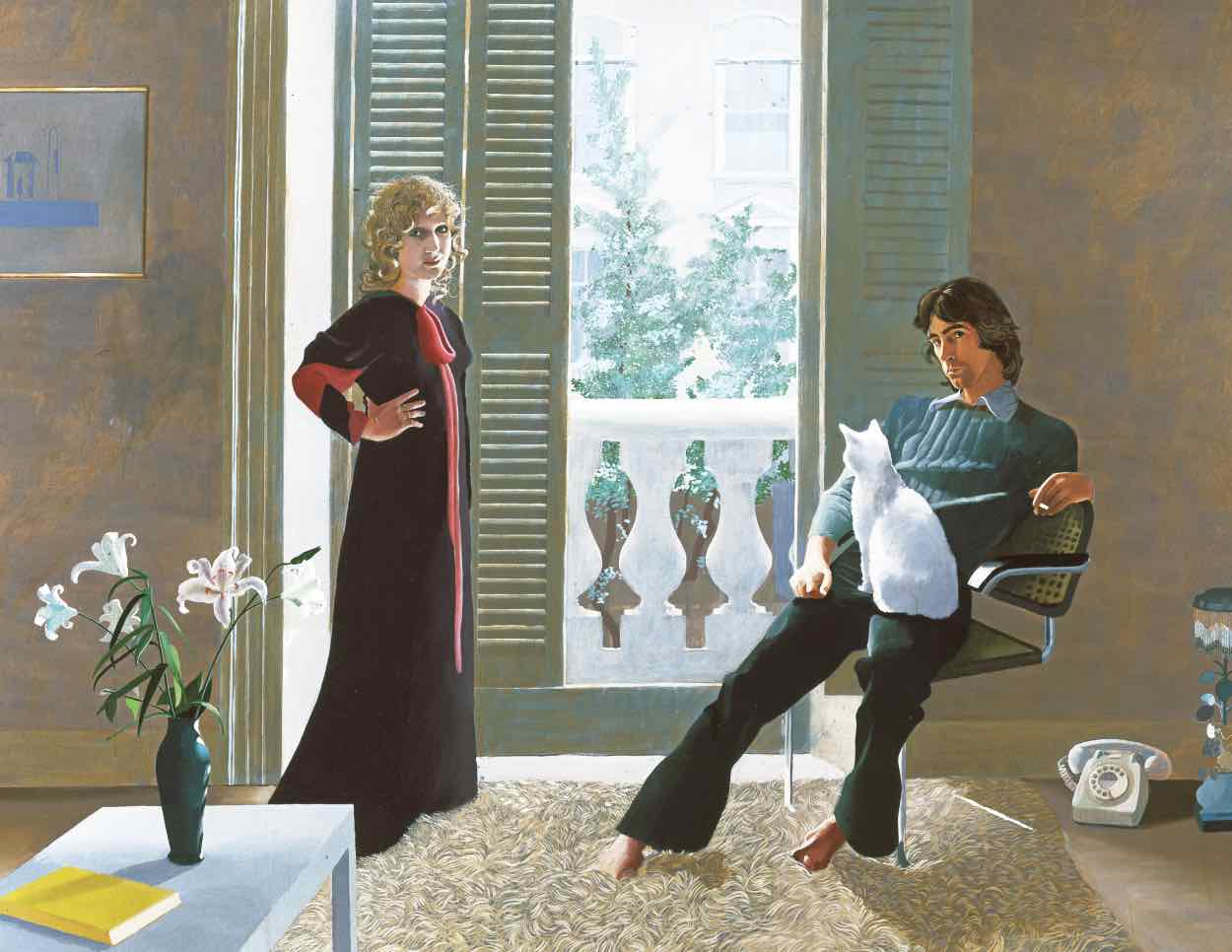
Celia’s friendship with David Hockney began within the close-knit art and fashion community of 1960s Notting Hill. Both came from independent-minded Northern families and shared a love of art, humour, France, travel and bohemian life. Hockney began drawing Celia in the late 1960s, and she became one of his most recognisable subjects. The best-know image is Mr and Mrs Clark and Percy, painted in 1970-71. Yet it represents only one moment in a lifelong visual conversation spanning intimate drawings, lithographs, photographs and Cubist-influenced portraits.
CELIA AT HOME
A new direction in interiors
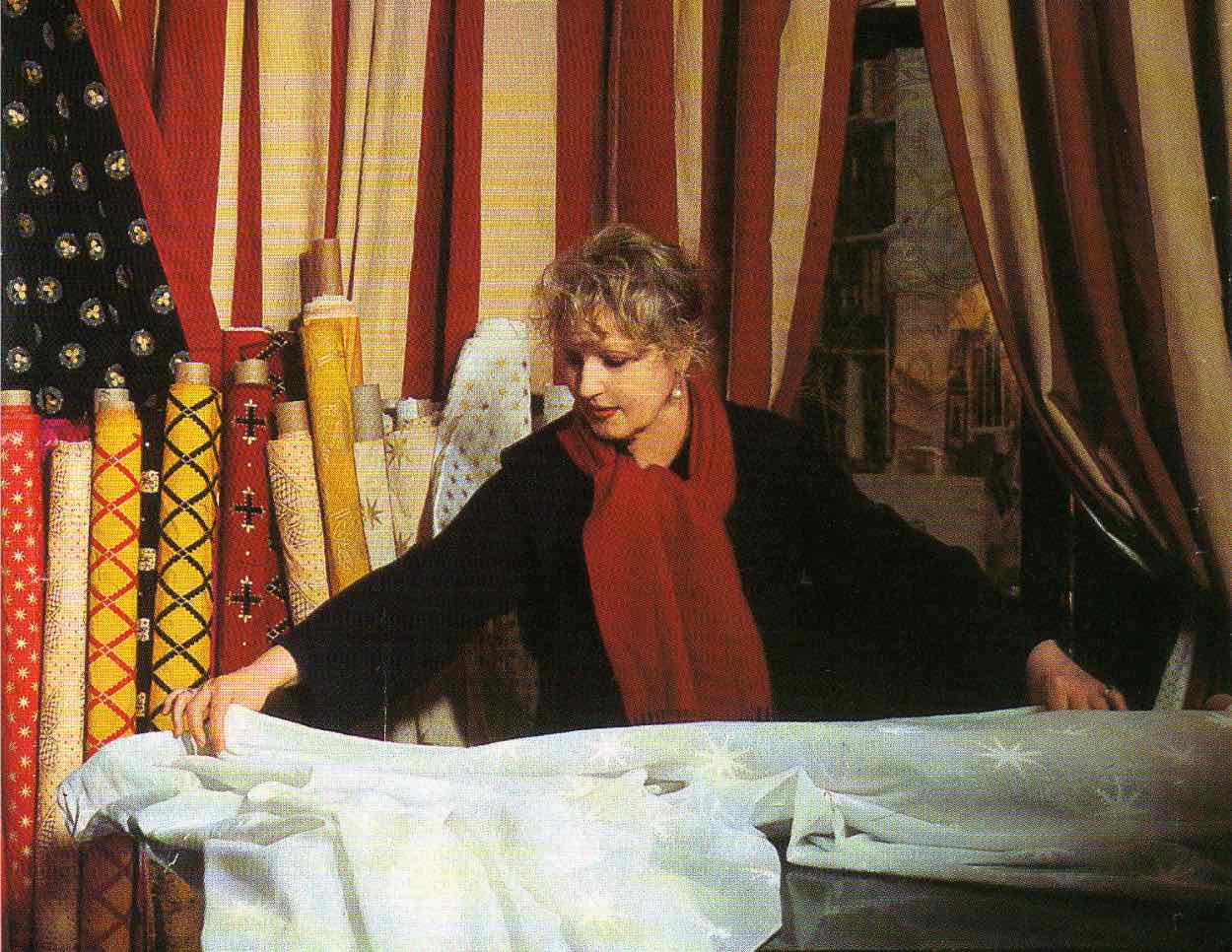
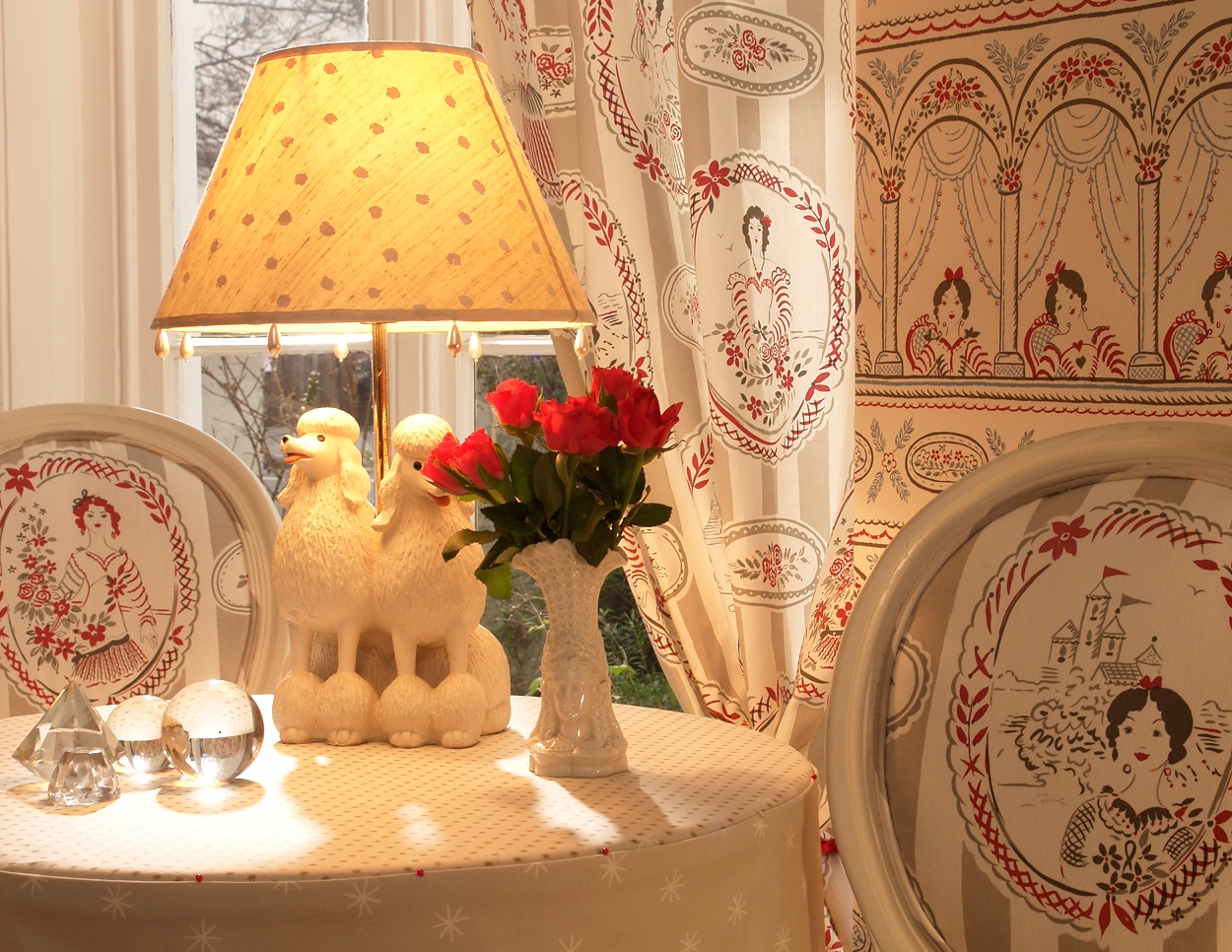
IIn the early 1980s, Celia career began in a new direction, moving from fashion into home textiles. She had always spent much time and thought making her home interesting, and the challenge of creating interior prints allowed designs to develop more gradually and remain in use for years, while offering a working life compatible with raising her sons. In 1984, she opened a shop at 71 Westbourne Park Road in Notting Hill. One of her earliest successes was Little Animals, inspired by Jacobean embroidery and medieval textiles discovered during her many visits to the V&A archives. Fabrics such as Bohemian Chintz, Carnival and Petit Palms carried the colour, humour and character of her fashion work into the home.
AN EVOLVING LEGACY
A distinctive British designer
Exhibiting at Decorex from 1990 introduced Celia’s home fabrics to an international audience. This inspired an annual collection of new designs such as Classical Star, Jacobean, and Birds and Bees continued to combine historical references, natural forms and playful details. In 2006, management of the company passed over to her son George and his wife Bella, while Celia remained involved creatively. From Salford Art school to Quorum, Hockney’s portraits and her Notting Hill fabric shop, Celia has remained guided by an independent eye – romantic without sentimentality, historically informed without imitation, and playful without losing sophistication.